
Wrap Around Supports for Justice-Impacted Youth and their Families

About the Resilience Project
The Resilience Project, a program of TJC, is dedicated to interrupting pathways into juvenile and criminal justice systems by providing comprehensive, school-based support for at-risk youth and their families.

In-School Mentoring and Tutoring
We pair students with district-approved, subject matter experts to help a range of academic subjects. In addition to academic tutoring, students meet with trained mentors who provide weekly sessions focused on life skills such as job readiness, financial literacy, college preparation, conflict resolution, and time management.
Our program currently supports over 200 student visits per week!

Essential Needs Pantries
Our Essential Needs Pantries help ensure students’ basic needs are met so they can focus on learning. These pantries provide food, hygiene supplies, school supplies, clothing, and other critical resources for students and families. The program also provides seasonal support, including holiday food boxes, gifts for youth, and gas cards, serving more than two hundred families annually.

Family Supports Inside
Resilience Project previously held parenting classes for parents, grandparents, and guardians who were currently incarcerated.
Currently, Resilience Project supports "Circles of Harm" courses inside OSP, which address violence in families and family dynamics.

Our Approach
Supporting underserved youth and families throughout Marion and Polk counties, we work with students facing significant barriers to success, including housing instability, food insecurity, chronic absenteeism, trauma, and limited access to adult support. We partner with local schools to deliver wraparound services: academic intervention, mentoring, social-emotional support, basic needs assistance, and life skills development. This ensures that students receive timely, accessible support in the environment where they spend most of their day: at school.
Why Embed Services within the School Day?
Reduced Barriers to Care
By providing services during the school day, we ensure that students can access services without the most common barriers to after-school program attendance: transportation, scheduling conflicts (for parents or siblings), and stigma.
Stronger Connections
In order to make our program work, we need strong partnerships between the program staff, students, their families, educators, and system partners. This benefits students greatly by giving them a larger web of support that works together.
Addresses Underlying Challenges
We are better able to address the underlying challenges that place students at risk of school failure and justice system involvement by working together with school staff and community partners.
"On the Outside" Podcast
Stories and Experiences of Justice-Impacted Youth
“On the Outside” is a limited-series podcast focused on the stories and experiences of youth with parents who are currently or were formerly incarcerated.
Listen to the trailer here:


Previously Offered Programming
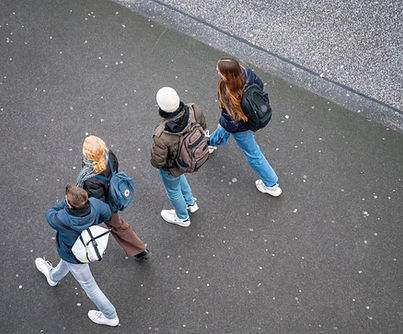
After-School Program for At-Risk Youth
Resilience Project partnered with HYB Counseling to create an after school program for gang-affiliated or at-risk youth.

Teacher and Counselor Professional Development
The Resilience Project offered in-service or pre-service professional development for educators and school counselors about working with youth impacted by parental or family incarceration.

After-School Program
The Resilience Project provided youth with opportunities to develop prosocial peer relationships and gain empathy toward others, learn practical skills for future employment, and strengthen self-efficacy - all while making tacos, cutting hair, and producing music!
Check out Music by MOTION, CHUBBZ & KDUBB